117112023
My heart goes out to the parents of Indi Gregory. It’s truly heart-wrenching to learn about their agonizing struggle.
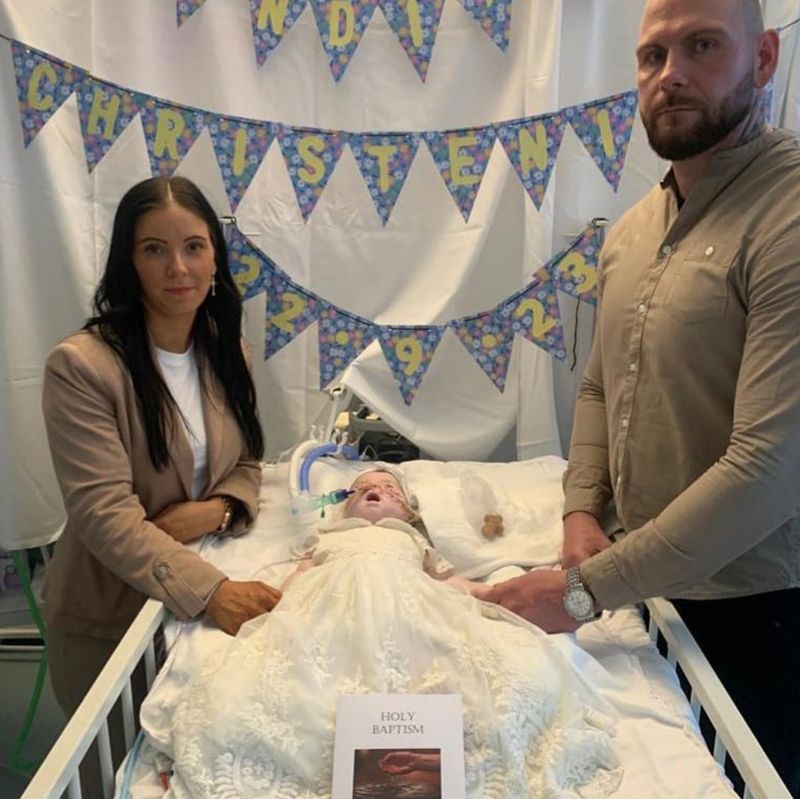
In an evocative and deeply emotional legal saga, Indi Gregory, an eight-month-old British baby, has become the center of a transnational battle for life. Diagnosed with a rare mitochondrial disease, Indi’s case has spurred a heartrending debate over her treatment. The UK court recently denied her transfer to Italy, despite the Italian government granting her citizenship and the Vatican’s Bambino Gesù Paediatric Hospital in Rome offering potentially life-saving care.
Parents Dean Gregory and Claire Staniforth have been valiantly fighting for their daughter’s life, inspiring awe with their relentless determination to seek the best possible treatment. This fight underscores a pivotal child safeguarding principle: the best interest of the child, which often pits medical expertise against parental will.
The Queen’s Medical Centre in Nottingham currently oversees Indi’s care, with medical professionals and parents at an impasse. The UK court’s ruling, anchored in the premise that further treatment might not serve Indi’s best interests due to her condition causing her “extreme limited quality of life” and pain, has added to the family’s immense distress.
Despite the grim prognosis and legal setbacks, Indi’s parents’ tenacity has not wavered. Their plight raises the universal question of how far one would go to fight for their child’s life—a narrative that resonates with every parent’s instinct to protect their offspring. Dean’s words, “We would fight till the end,” encapsulate their profound love and unwavering spirit.
The public, captivated by this family’s courage, watches in solidarity, hoping for a compassionate turn in Indi Gregory’s journey. The struggle faced by this family serves as a stark lesson on the complexities of medical ethics, parental rights, and governmental roles in healthcare, urging society to reflect on the nuances of safeguarding the well-being of the most vulnerable.
 Taiwo AKINLAMI