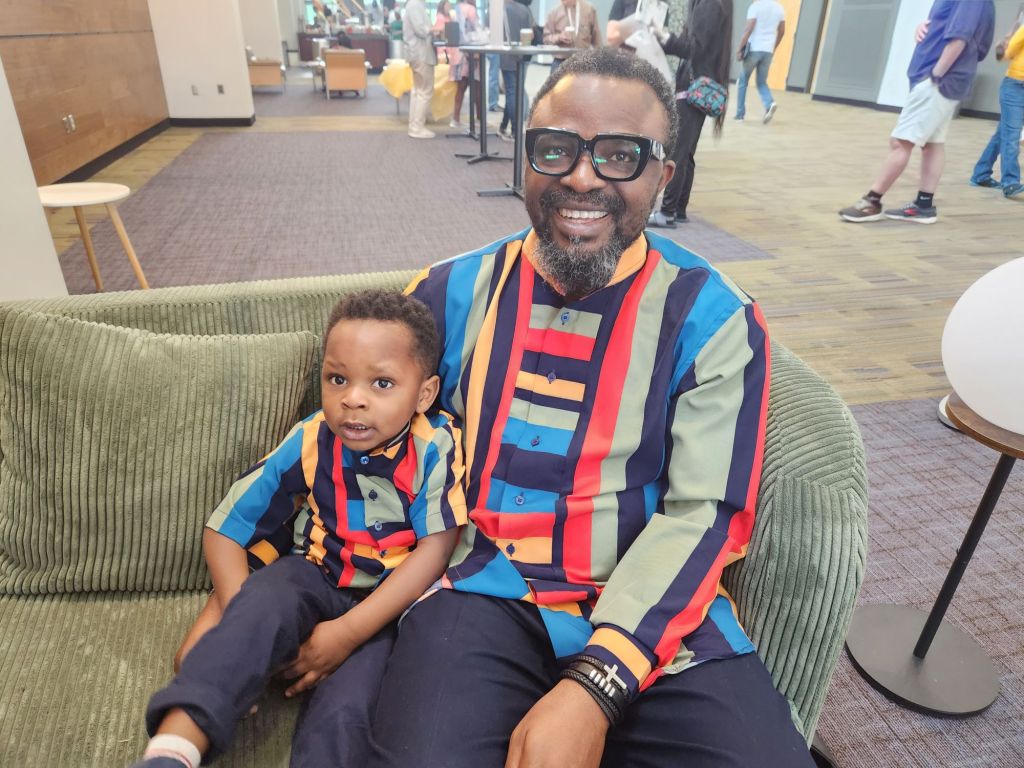
Yesterday was the International Day of the Boy Child, and as I spent time with my son—from picking him up from his bed, saying morning prayers, guiding him through potty training, preparing his breakfast, and getting him ready for school—I found myself reflecting deeply on the kind of boy I was and the man I have become. Observing him, I realized that the boy he is today will shape the man he becomes tomorrow. This reflection brought me back to my own childhood, especially considering a recent interview I granted to the BBC and Channels TV Nigeria, discussing the journey from boyhood to manhood.

As we celebrate this day, I believe the greatest gift we can give our boys is to nurture them into men—not merely by the passage of time, but through fostering maturity. Manhood is not measured by age but by the depth of one’s maturity. Childhood provides a precious window for parents and those working with youth to invest in their development, ensuring they are equipped to fulfill their future roles.
Looking back at my own childhood, I often say that I was not raised but erased. I endured physical, sexual, and emotional abuse, as well as neglect. By law, I became a man at 18, yet I was still grappling with the traumas of my youth. At an age when I should have been embracing adulthood, I was dealing with the lingering shadows of my past abuses. My father, who passed away at 82 when I was 39 in 2009, never had a meaningful conversation with me. His method of ‘raising’ me involved severe physical punishment, often tying me up, stripping me naked, and administering beatings that could last for half a day. We lived in a ‘face-me-I-face-you’ apartment where everyone minded their own business, except for indulging in gossip. So, nobody cared enough to come for me, or maybe they didn’t realize there was any need to. At six, I was sexually molested, and my childhood, synonymous with innocence for many, was marred by trauma. The emotional abuse I endured was boundless. I lived under a siege of constant fear and intimidation, chastised for everything my parents and other handlers claimed I did wrong, and never acknowledged or commended for anything I did right. I concluded that I simply couldn’t do anything right.
But for the intervention of Christ in 1997, I doubt I would be the man I am today. Since February 16, 1997, I have been under reconstruction—a work in progress. Whether this work will ever be completed in a lifetime is another discussion, but my testimony is clear: I am far better today than the man my childhood prepared me to be, though I am not yet all of the man I desire to be. I work daily, knowing firsthand that the struggles inflicted by a mismanaged childhood are real, but His strength is made perfect in my myriad weaknesses.
This journey is my greatest motivation as I train my son alongside his mother and work with leaders, understanding the anger and pain that an abusive childhood can bring. This is the mindset behind my sacrifices, as God grants me grace, beginning with turning down a lucrative job at the prestigious law firm of my magnanimous uncle, Chief Gani Fawehinmi, who sponsored my university and law school education, to follow my passion for advocacy. I work with parents to ensure they do not raise their children as we were raised, and with individuals who have experienced similar traumas, helping them accept their past and work towards a better future, refusing to reproduce the errors of their childhood mismanagement in their precious children.

To lose one’s childhood and then lose adulthood to unresolved trauma is a double jeopardy. Today, I do not blame my parents for my difficult childhood; they did the best they could. At the end of life, if I do not make the best of my life, I will have many excuses but no valid reasons. For every excuse, there is someone who has faced worse and still risen above their circumstances.
These reflections inspire me as I raise my son to become a man and pursue my advocacy. My advocacy for boys is rooted in the belief that they will not become men by accident. They need to be trained, nurtured, and guided. A man is someone who knows his identity as a person made in God’s image and likeness, understands his inherent worth, has his faculties and emotions under control, and is positioned to fulfill his God-ordained purpose of making a definite and indelible difference, first in his home and then in his chosen fields of human engagement.
The International Day of the Boy Child should remind us that raising our boys and girls with care and intention is a daily commitment, providing them with a future filled with hope and possibility.
 Taiwo AKINLAMI