Last week, the Federal Ministry of Education in Nigeria announced a policy prescribing indefinite suspension for students in Unity Colleges accused of bullying and physical assault. The government claims this measure addresses the rising cases of violence within the school system.
However, this approach is neither new nor effective. It represents the traditional, yet outdated method often employed by governments in Nigeria and across Africa in addressing child-related issues. Instead of examining the root causes of bullying, the response typically revolves around imposing punitive measures without proper investigation, integration, or research.
This approach is fundamentally flawed. Albert Einstein’s definition of insanity—doing the same thing repeatedly and expecting different results applies here. Punitive sanctions, such as indefinite suspensions, have been tried repeatedly without meaningful success. The pressing question remains: Is this truly in the best interest of the children involved? Where have such measures been effective? Have they deterred bullying or improved behavior?
The reality is that rules alone, especially when not reinforced with relationships and appropriate role modeling, do not work. As I highlighted under the 42nd Principle on page 204 of my book, Transforming Child Discipline into the Culture of Discipline, “Josh McDowell’s instructive words resonate deeply here: Truth without relationships leads to rejection, rules without relationships lead to rebellion, and discipline without relationships leads to bitterness, anger, and resentment. ...” Children do not learn through fear or force; they learn through relationships, values, and consistent examples set by the adults in their lives.
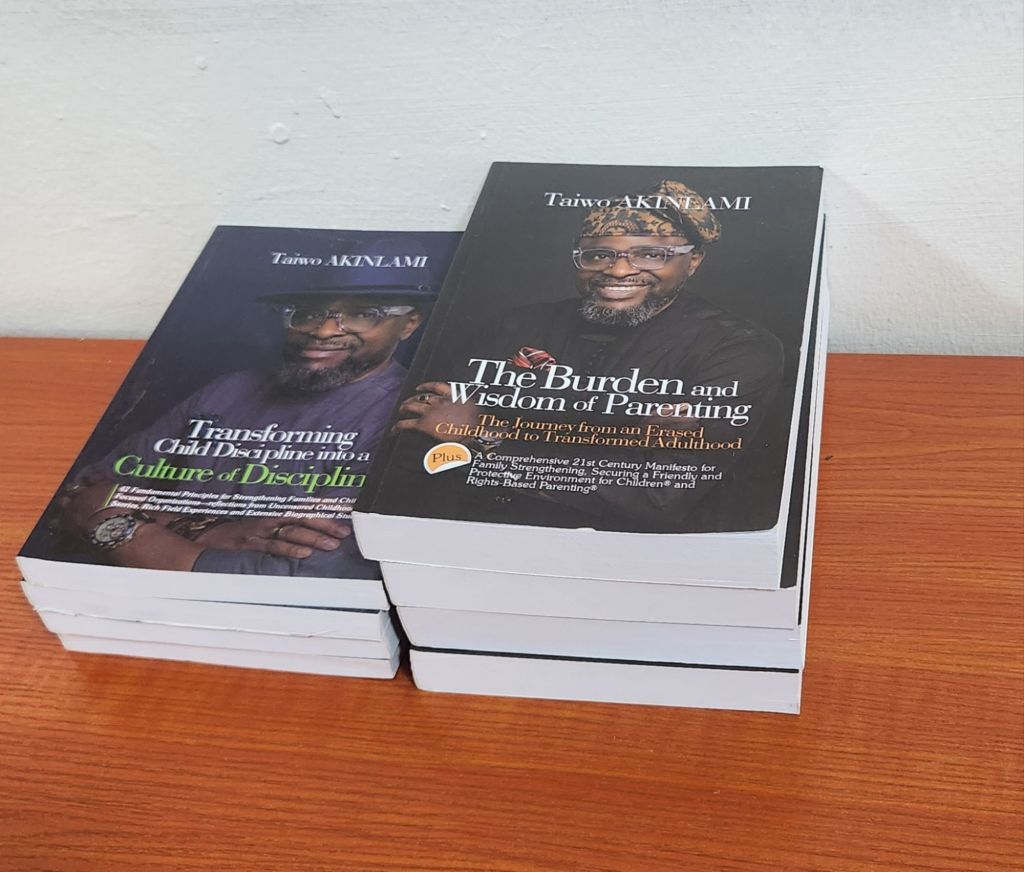
In my book, Transforming Child Discipline into a Culture of Discipline, I discuss the need to move away from the archaic “culture of punishment” and toward a meaningful “culture of discipline.” Discipline should not entail reading the riot act or destroying a child’s future because of mistakes made in the present. Instead, it should nurture a child’s dignity, help them recognize their inherent worth, and equip them to protect that dignity in all circumstances.
Under The Senses session of my book, I present a comprehensive and tested blueprint for effectively combating bullying within the school system. Specifically, on pages 34 to 36, I delve into the root causes of bullying and propose practical, immediate solutions. Discipline, I argue, must prioritize growth and transformation, focusing on the present and future rather than judgment or condemnation.
For instance, nations like Iceland have effectively tackled youth delinquency by empowering parents, addressing underlying causes, and implementing long-term, preventive strategies instead of relying on punitive measures. This groundbreaking approach gave rise to the globally recognized and celebrated Icelandic Model, a concept I explore extensively under Principle 9 on page 100 of my book.
A case in point is Barack Obama, who admitted to experimenting with marijuana in his youth. His handlers chose to respond with understanding and support rather than judgment. Had they reacted with the punitive approach often employed today, the world might have been denied the genius he carried—his potential as a husband, father, community leader, legal practitioner, lecturer, global statesman, and Nobel laureate.
Similarly, Iceland’s focus on prevention and empowerment has produced some of the most well-behaved young people in the world, a testament to the power of thoughtful, relationship-driven approaches to discipline.
A society cannot afford to jeopardize the destinies of its children in the name of correcting errors. Discipline is not judgment; it is a pathway to growth and transformation.
Let us rethink our approach to discipline for the sake of our children and the future. A word is enough for the wise.
Below, I share excerpts from Transforming Child Discipline into a Culture of Discipline, offering further insights into this important conversation…
Addressing Violence Against Children in the Name of Discipline and Its Role in Perpetuating Bullying
Recent data highlights the troubling trend of increasing violence against our precious children in Africa, including violence perpetrated by peers. According to Save the Children and UNICEF, violence against children in educational settings has escalated significantly. For instance, the Armed Conflict Location & Event Data (ACLED) reported a 20% increase in violent incidents affecting schools between 2022 and 2023, with Nigeria and Sudan experiencing the highest number of incidents.
This rise in violence points to the urgent need for comprehensive strategies to strengthen educational policies, governance, and teacher training in relation to violence prevention. Addressing these issues requires a multifaceted approach that includes enhancing awareness, improving reporting mechanisms, and providing support services for children affected by violence.
As previously noted, and worth reiterating to underscore its contribution to the cycle of violence, the root causes of this issue are deeply entrenched in social norms and cultural practices. In many communities, physical punishment is still considered an essential aspect of child-rearing. This belief is supported by data showing that nearly two-thirds of parents and caregivers in Nigeria view physical punishment as necessary for properly raising children (NBS & UNICEF, 2017). This norm perpetuates a vicious cycle, where children exposed to harsh discipline are more likely to exhibit aggressive behaviours towards their peers.
Efforts to combat violence against our precious children must include shifting these deeply ingrained social norms. This involves extensive community education and engagement to promote proper discipline and to highlight the negative long-term effects of violence on children’s development and well-being.
In summary, addressing violence against our precious children in Africa requires a concerted effort to reform educational policies, enhance teacher training, and shift social norms from erroneously equating violence against our precious children with discipline. This holistic approach is crucial to creating a safer and more supportive environment for children to thrive.
This concern is particularly pressing considering the growing issue of bullying in schools. Bullying is a manifestation of the violence our precious children are exposed to in their environments. Research has shown that increasingly, the perpetrators of violence against children are other children and young people—often classmates and peers. This is because these children are not the initiators of violence; rather, they replicate the violent behaviours they observe in their surroundings.
Our precious children are either beneficiaries or casualties of our examples. The psychology of a child, who they become, is a direct result of their sociology. It is their socialization that informs their psychology. Unfortunately, in all our efforts to solve the problem of bullying, we have not adequately addressed the culture of violence in homes and schools.
The analogy of a manufacturing company producing a harmful product is apt here. If we focus solely on confiscating the harmful products without shutting down the company that produces them, we will never solve the problem. Similarly, if we do not address the violent environments in which our precious children are raised, we will never eradicate bullying our precious children, who bully their peers, are products of the violence they witness at home, in schools, and in their communities.
To truly stop bullying in Africa, we must focus on the environments where our precious children are being socialized. When children see violence at home, in their communities, and in schools, they come to believe that violence is the only way to solve problems. This belief is reinforced by the behaviours of the adults around them—parents, teachers, and community members.
In conclusion, the fight against bullying and violence against our precious children requires a comprehensive approach that addresses the root causes of violence in our societies. By creating safe, non-violent environments for our precious children, we can break the cycle of violence and ensure that they grow up to be well-adjusted, empathetic adults.
 Taiwo AKINLAMI