Òrí yèyè ni mo gún, táí ṣe lópò.
Countless heads lie on the execution ground, beheaded, yet most were innocent, many without sin.
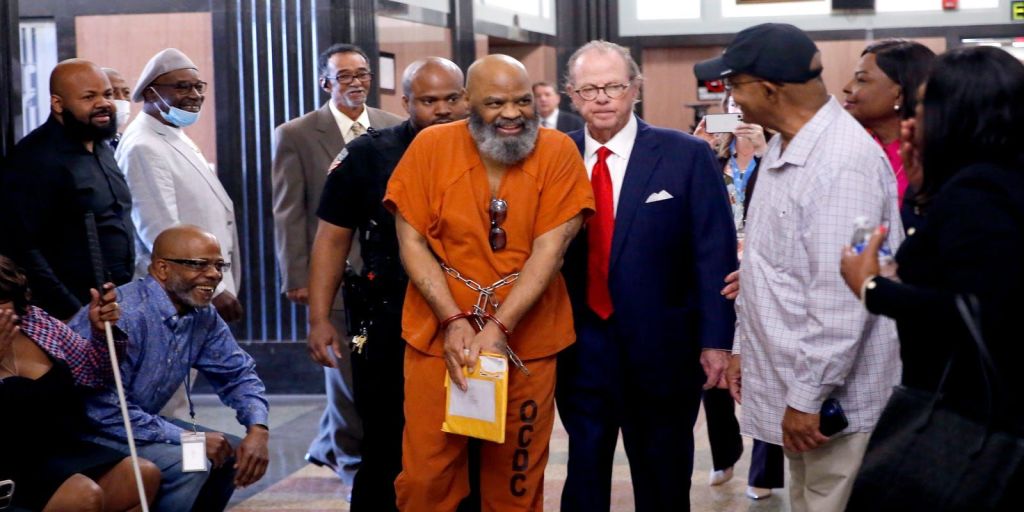
The recent exoneration of Glynn Simmons, now battling liver cancer, who spent nearly 50 years on death row in an Oklahoma prison for a murder he did not commit, underscores the profound flaws that can exist within judicial systems. Released at the age of 70, his wrongful imprisonment is believed to be the longest in American history. On August 13, 2024, Simmons was awarded $7,000,000 in compensation for his wrongful conviction. Yet can any amount of financial compensation truly account for nearly 50 years of a life unjustly put on hold for a crime he did not commit? This case challenges the adage “there is no smoke without fire,” reminding us that the fire is sometimes not fact but merely a smoke, product of human error and the frailties inherent in even the most robust systems.
The Yoruba proverb, “ Countless heads lie on the execution ground, beheaded, yet most were innocent, many without sin,” speaks to this truth. It serves as a sobering reminder that no one can truly judge another but must respect the process of a justice system and observe it keenly. Justice is a delicate balance, requiring empathy for both the affected person and the accused. The lesson is clear: the best of systems, being human creations, are inherently susceptible to human fallibility. Even the judicial systems of the most advanced countries sometimes succumb to this vulnerability, let alone the flawed systems in many third-world nations.

We must always listen to and believe the stories of those affected by crimes, they are often raw, painful, and deeply human. However, belief is not judgment. Justice demands that such beliefs be rigorously examined within an unbiased system. The integrity of a justice system lies in its ability to balance belief with fairness, ensuring that both the victim and the accused are treated with dignity and care.
For example, in Colorado, forensic scientist Yvonne “Missy” Woods manipulated DNA test results in over 650 cases between 2008 and 2023, undermining the integrity of countless convictions. Similarly, in Oklahoma, forensic chemist Joyce Gilchrist falsified evidence in more than 3,000 cases over 21 years, leading to multiple wrongful convictions. These cases starkly illustrate how human errors and biases can compromise even well-established systems, with devastating consequences for the innocent.
Even in nations with advanced legal frameworks, miscarriages of justice persist. Michael Sullivan’s case, where he spent 27 years in a Massachusetts prison for a crime he did not commit, is another glaring example. These instances emphasize the importance of respecting and observing judicial processes while recognizing the inherent flaws in all human systems.
The key to an equitable and just society lies in the following principles:
- Accepting that every individual accused of a crime is innocent until proven guilty.
- Withholding personal judgment and condemnation, even after a guilty verdict has been rendered by a court of competent jurisdiction.
Justice demands that those found guilty must face the penalties of the law. However, this does not give us room for personal condemnation or judgment. The mindset we must cultivate, both in ourselves and in how we raise our children, is one that enforces accountability while preserving the humanity of all involved.
Ultimately, these cases are poignant reminders of the importance of humility in judgment and vigilance in ensuring fairness. They compel us to uphold the integrity of justice while remaining empathetic, always balancing the needs of the affected with the rights of the accused. Only then can we strive toward a society that values justice over retribution and humanity over condemnation.
#GlynnSimmons #WrongfulConvictions #SmokeWithoutFire #JusticeForAll #InnocentUntilProvenGuilty #JudicialIntegrity #TruthMatters #TheCostOfInjustice
 Taiwo AKINLAMI