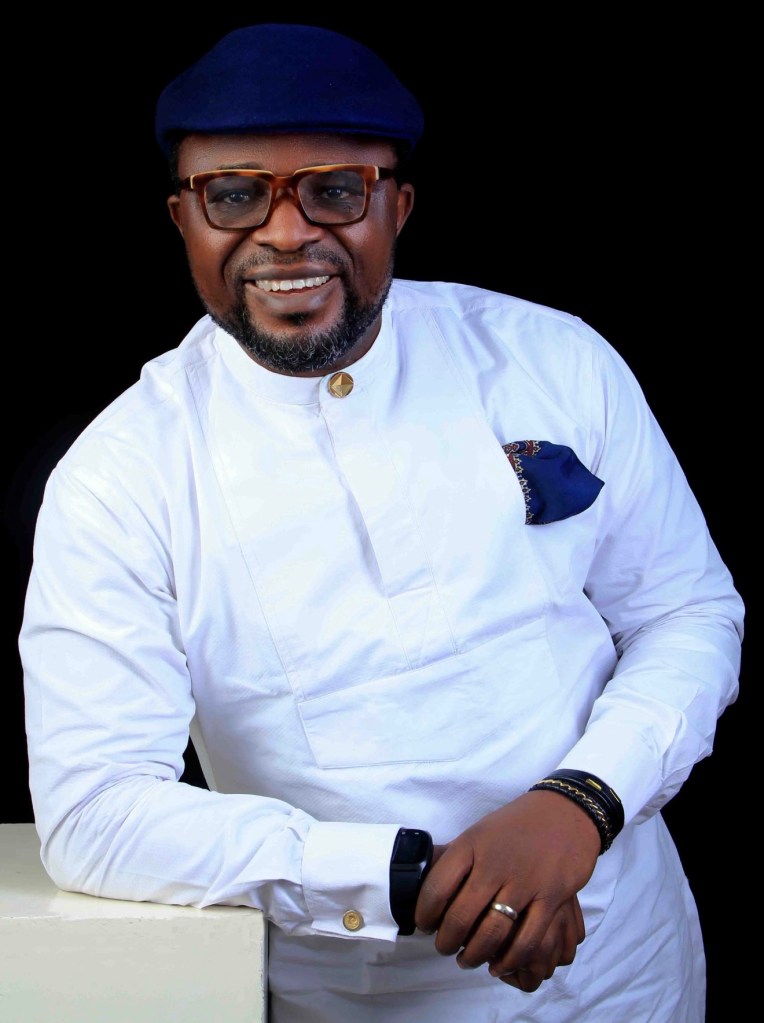
The first time I remember saying no to injustice, I was about eleven. I refused the oppression of my Primary 5 teacher at A.U.D., Oke-Ila, Ado-Ekiti, Ekiti State. My primary school teachers tormented my forming soul; one of them had nicknamed me “devil” in Primary 3. But that day, I found my courage and fought back, of course, with words.
I do not remember exactly what I said, but they were sharp enough to make my teacher, a fair-complexioned woman cry in front of me like a baby. She could not strike me with her cane. I was hauled to the headmaster’s office, yet I felt no remorse. Deep inside, I felt a clean, steady satisfaction: there was something in the smallness of me that could reject ill treatment and force the school to pay attention. I do not remember the punishment, but it did not matter. I had spoken, crude by today’s standards, perhaps, but it became my testimony to myself: the rebellion required to survive hard times already lived in me.
My next refusal of oppression came at fifteen, and it earned me a place in my school’s black book at Saint Joseph’s College, Ondo. I punched a classmate, one who took pleasure in bullying me on the nose, and he bled. I had simply grown tired of it. He had pushed me too far, and my response shocked him. Yes, the principal, Reverend Father Adegoke, entered my name in the black book. But that was the price of peace, and I did not regret paying it. Who needs a clean record if the cost is daily torment?
By eighteen, my response to oppression had matured. This time, the oppressor was a soldier who invaded our home, No. 1, Okedasa Street, Ondo and seized my father’s torchlight. A punch was impossible, whether by fist or by word; it could have been suicidal. I would have been striking an unknown gunman. So I did what I could: I put pen to paper. My protest was published in The Punch on June 10, 1988, under the title “Soldier Molest Us.” That was my tactical, my strategic punch.
Later came the words of Professor I. O. Smith, when I and others were expelled from Lagos State University: no individual, he said, could fight an institution like Lagos State University and win. He was wrong.
I read law at Lagos State University under the thin protection of an interlocutory injunction, my matriculation number branded with the stigma of “Temp” before it each time I wrote an exam. My place in the university hung by the thread of that injunction, yet I still participated fully in the Students’ Union, so fully that I became known as a thorn in the flesh of the school.
I have also stood beside countless others to demand justice. We have not only won resoundingly; we have shamed oppression.
For me, “no” is a weapon. Many people underestimate what it costs to say it and what it means to plant your feet and stay there, even if it takes everything in you.
You do not say “no” because victory is guaranteed. You say it because it must be said. You say it for what it is worth: the victory of the human spirit when it rejects man’s inhumanity to man, regardless of the form it takes or the person behind it.
In my private and public life, I am a “no” man. I may not always say it, but when it matters, you can not only count on it; you can bank on it.
What about you?
 Taiwo AKINLAMI